Everything You Need
to Know About Mold
In One Place
Videos, podcast episodes, real inspection case studies with thermal images and moisture maps, a mold species glossary, free lab report help, in-depth guides, FAQs, and every Home Enviro service, built from 20+ years and 4,000+ inspections across South Florida.
Request an Inspection
Speak directly with a licensed South Florida mold assessor today.
South Florida's Independent Mold Inspection Specialists
For more than a decade, Home Enviro (operating on the Express Mold Inspection platform) has helped homeowners, buyers, property managers, and businesses identify hidden moisture problems, evaluate indoor air quality, and investigate suspected mold contamination throughout Broward, Palm Beach, and Miami-Dade Counties.
As an independent mold assessment company, we perform inspections and testing only. We do not perform mold remediation, allowing our findings and recommendations to remain objective and focused solely on identifying the source of the problem. Florida Statute 468.8411 actually prohibits a mold assessor from performing remediation on the same property, a rule we uphold strictly because it protects you from conflicts of interest.
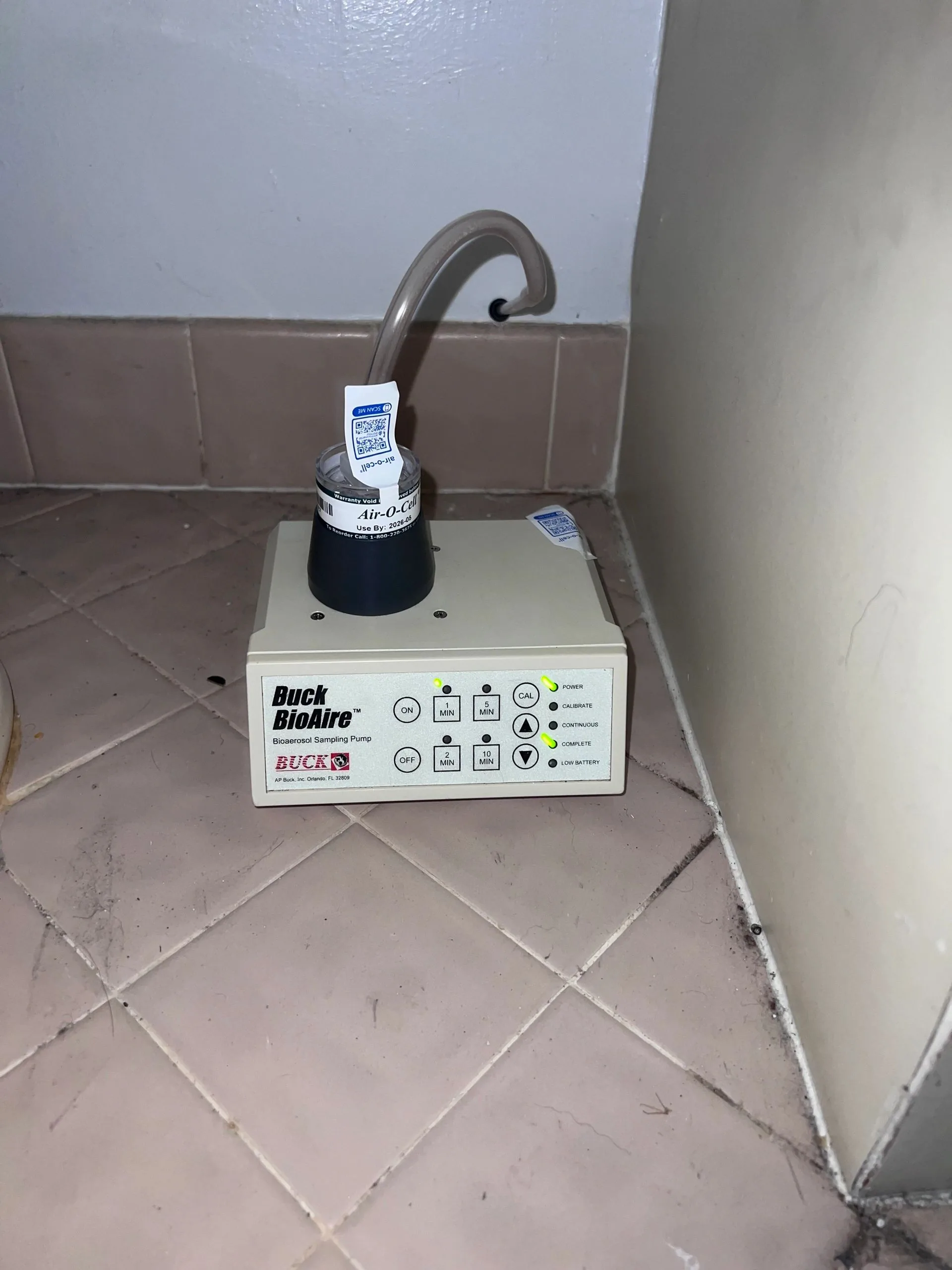
Every inspection is supported by professional equipment, including FLIR thermal imaging cameras, Protimeter moisture meters, and Zefon bio-pump air samplers, accredited laboratory analysis when appropriate, and a detailed report with clear recommendations for your next steps.
Every Service, One Directory
When you're ready to schedule, here's every diagnostic service we offer.
How an Inspection Works
From booking to your final report, here's exactly what to expect.
Select Your Service
Choose the mold inspection or testing service that fits your property's needs: residential, commercial, or real estate transaction.
Schedule & We Inspect
Book a convenient time. Licensed inspectors arrive with thermal imaging cameras and moisture meters for a thorough on-site evaluation.
Receive Your Report
Get a detailed certified report with accredited lab results, expert recommendations, and clear guidance, typically the next business day.
Most inspections completed in 60 to 90 minutes. We request a 2-hour arrival window to accommodate traffic and prior inspection completion.
Book OnlineInspection Evidence Library
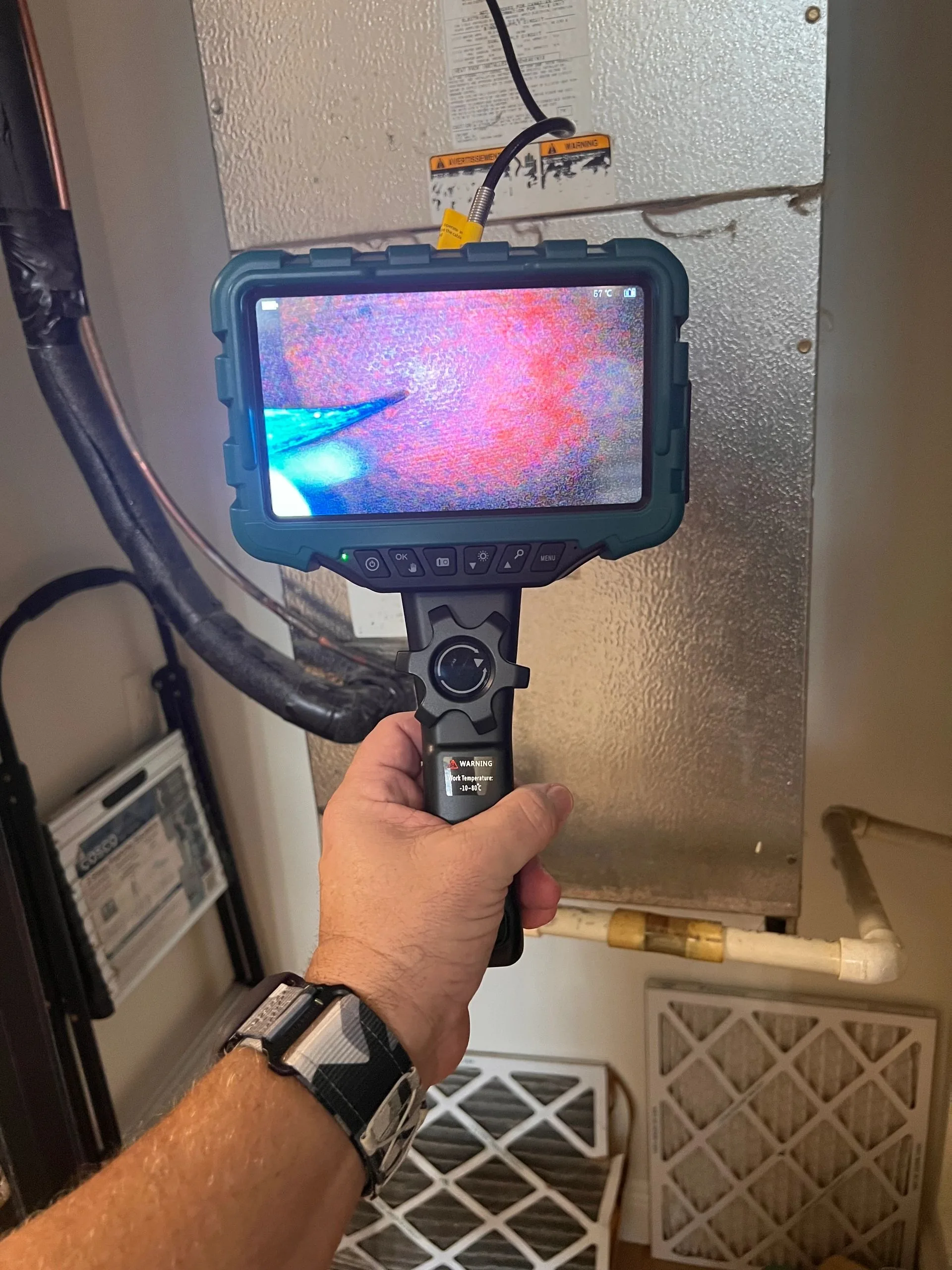
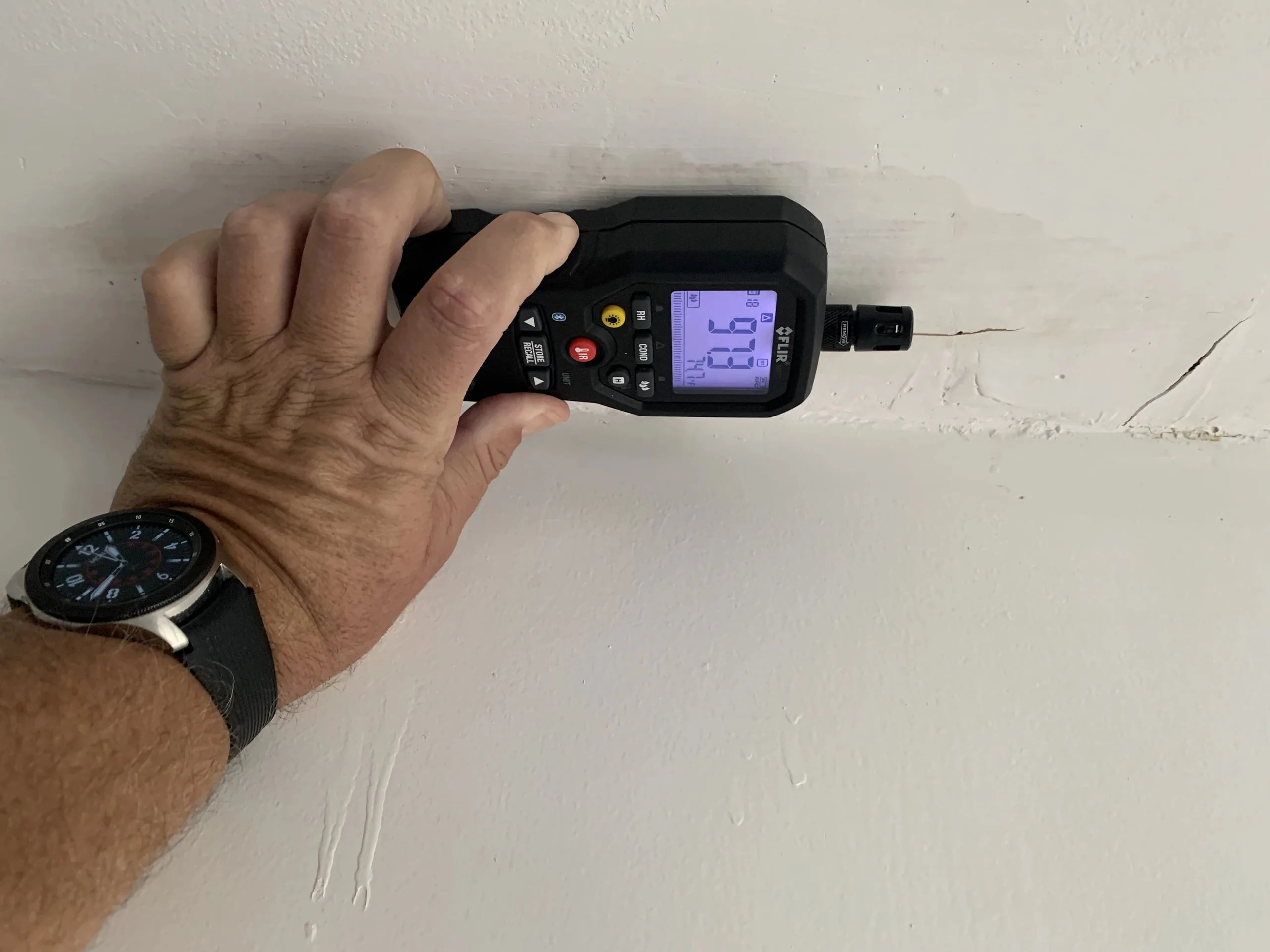
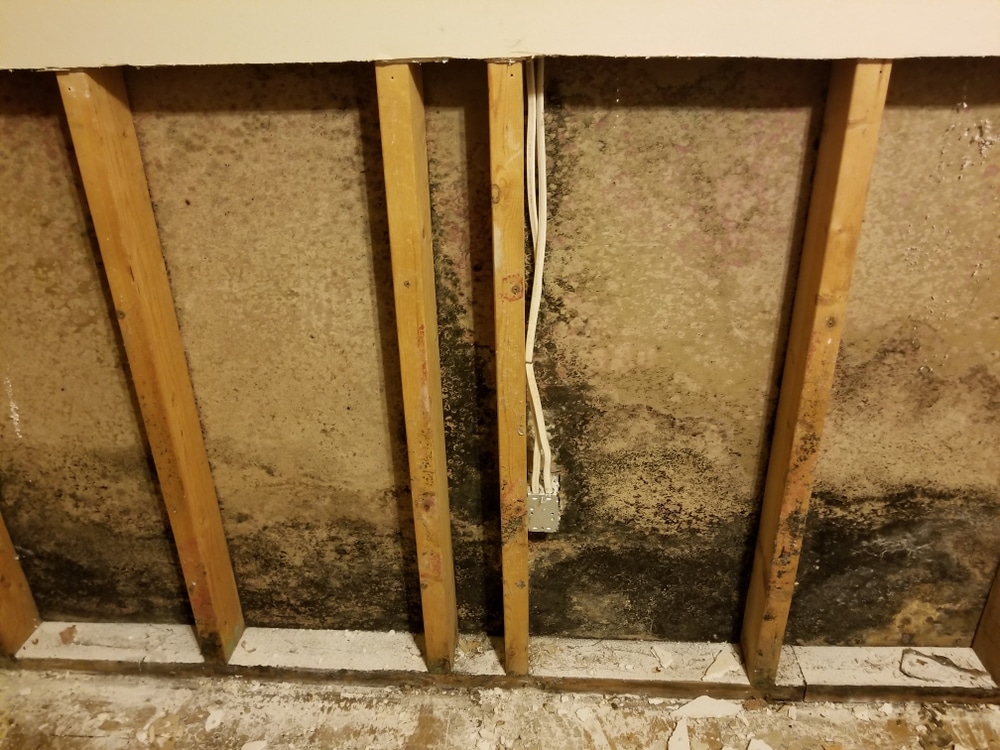
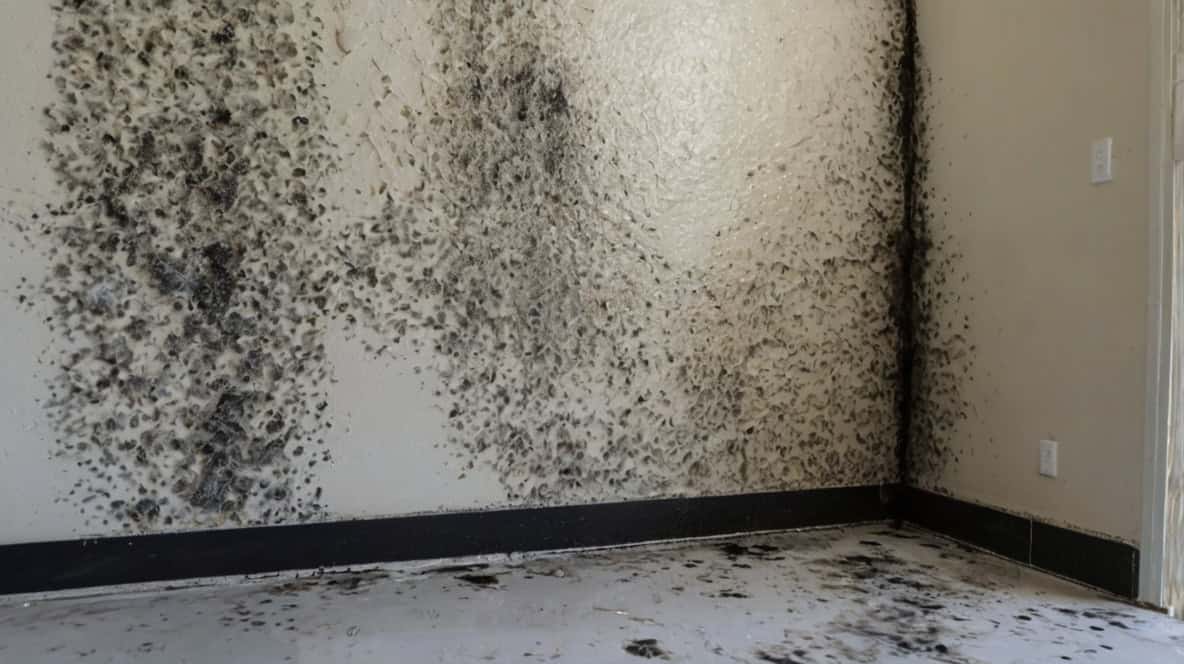
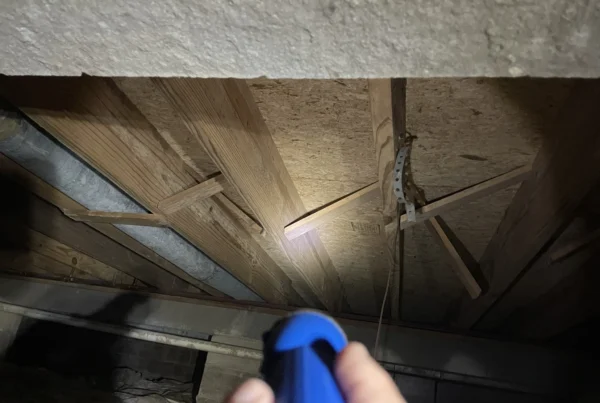
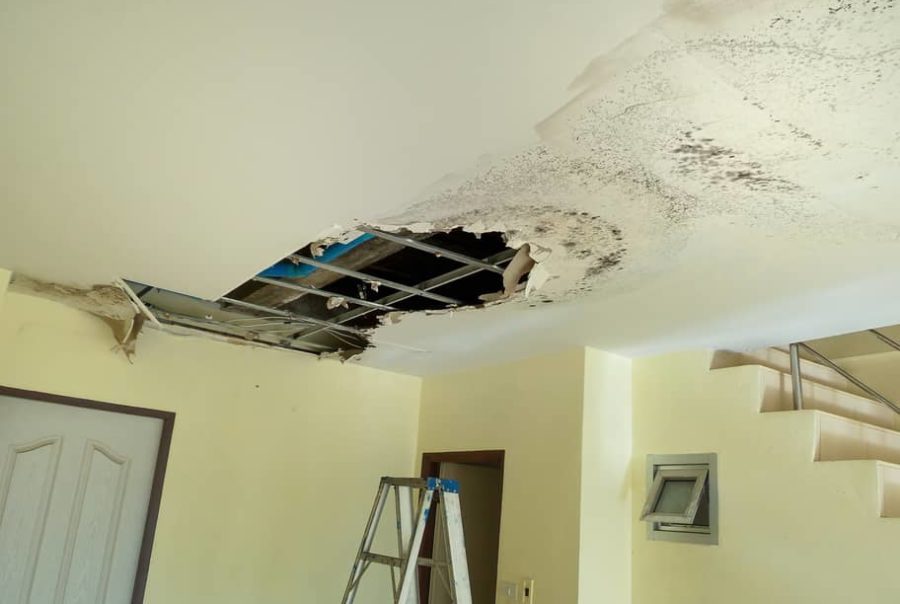
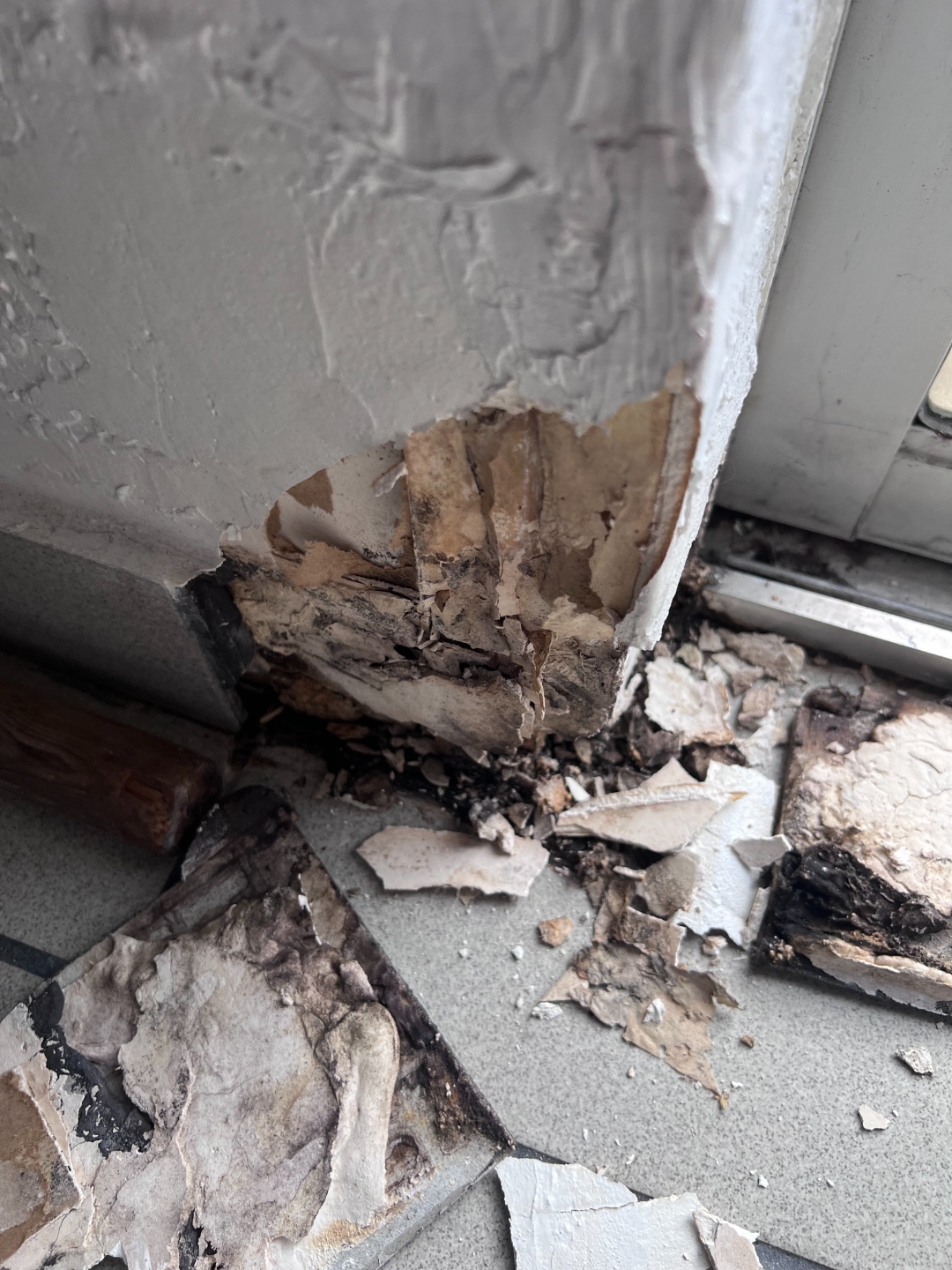
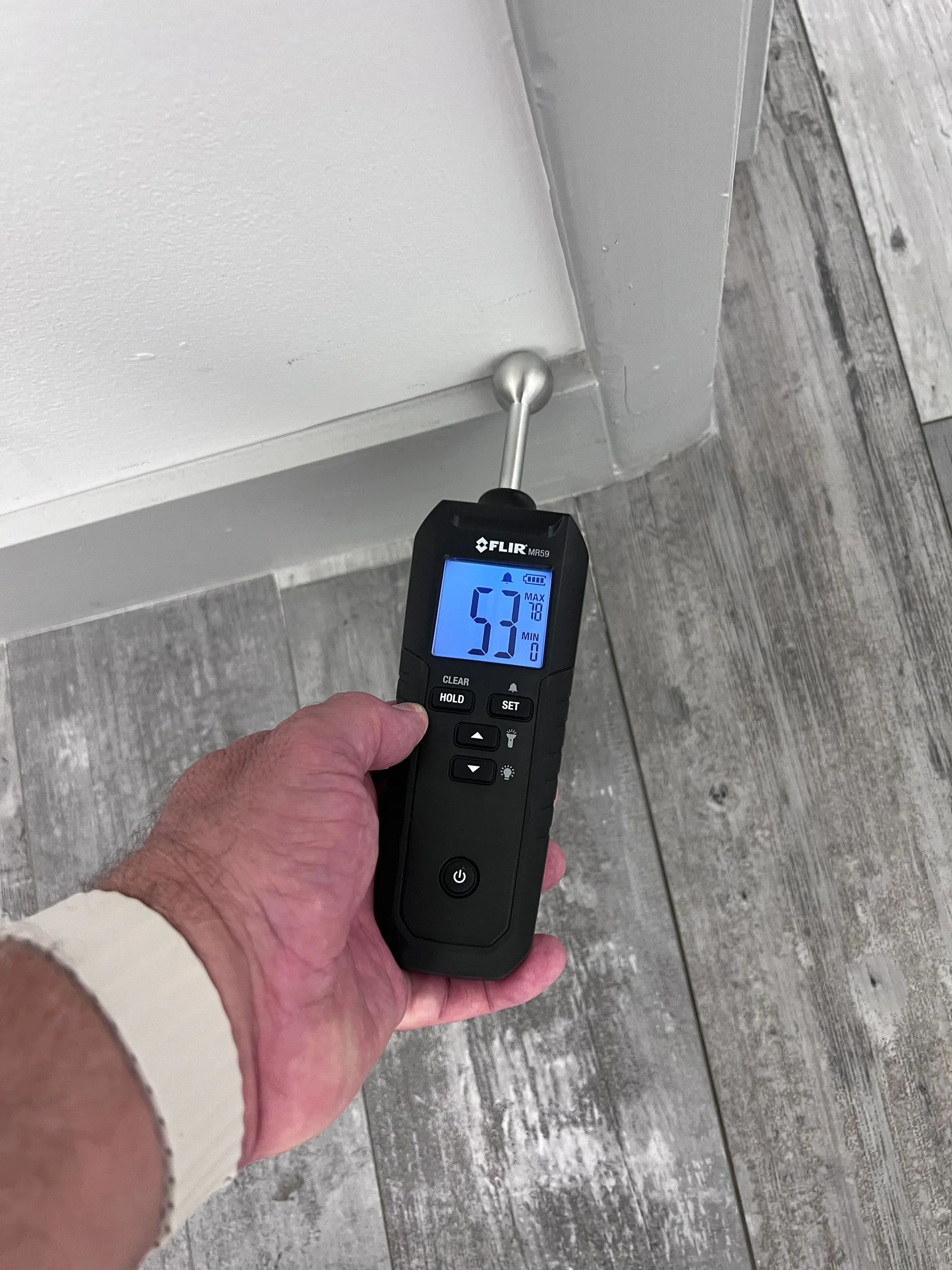
We don't hide behind stock photography. Every inspection we perform produces a written report with laboratory documentation, thermal images, and moisture data. These are real findings from the field.
Thermal Imaging
Infrared cameras detect temperature differences that reveal hidden moisture behind walls, ceilings, and floors without demolition. Used in 18 of our 25 published case studies.
Moisture Mapping
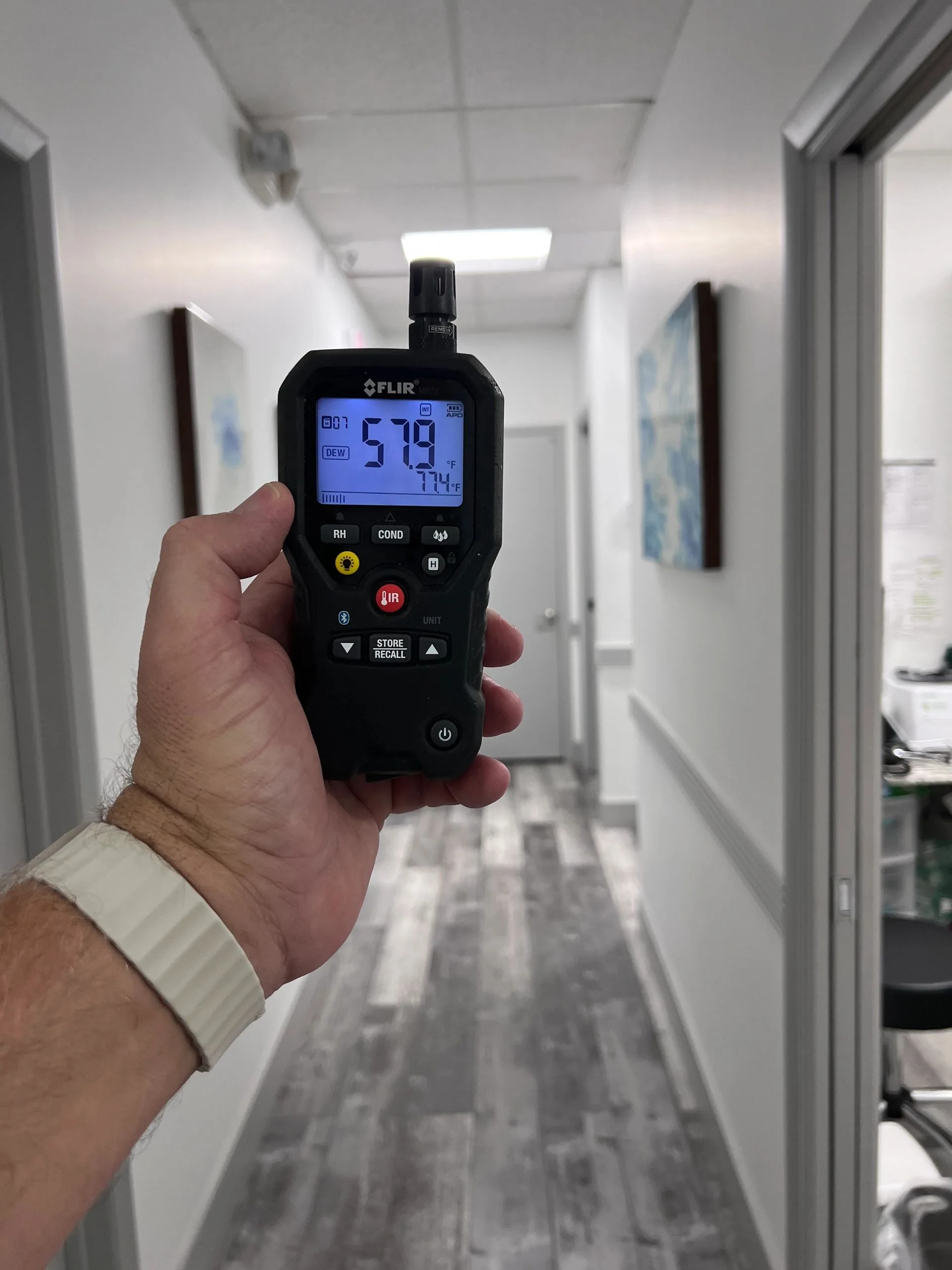
Digital moisture meters measure moisture content inside building materials, pinpointing exactly where elevated moisture is feeding mold growth.
Air & Surface Sampling
Air samples and surface swabs are collected on-site and sent to an accredited third-party lab to confirm species and concentration levels.
Written Lab-Backed Reports
Every inspection produces a certified report with lab results, thermal images, and moisture data, accepted by insurers, attorneys, and lenders.
Video Library
Real inspection walkthroughs and mold education straight from our licensed assessors. Watch the featured video below or browse the full library on YouTube.
 ▶
▶The Invisible Network: How HVAC Mold Spreads
 ▶
▶Why Mold Inspections Need an Outdoor Sample
 ▶
▶PRV: Verifying Mold Remediation
 ▶
▶Water Intrusion & Mold: Your Home's Hidden Enemy
 ▶
▶Boca Raton Mold Inspection & Testing
 ▶
▶Do You Have Hidden Mold in Your Home?
 ▶
▶The "Free" Mold Inspection Trap
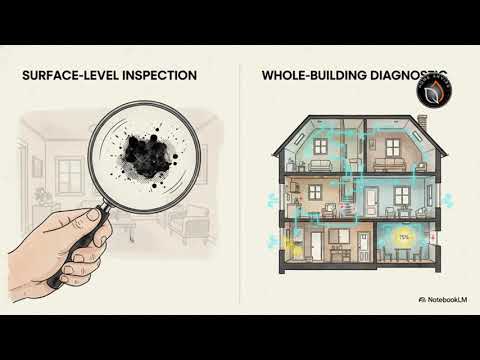 ▶
▶How the Stack Effect Spreads Mold
See All Videos on YouTube
Home Enviro Mold Podcast
In-depth conversations on mold inspection, moisture mapping, and indoor air quality from our licensed mold assessors. 8 episodes, available on SoundCloud.
Hidden Mold in South Florida Homes
High humidity often leads to hidden mold inside South Florida homes, even without visible water damage.
Moisture Mapping & Thermal Imaging
Thermal imaging highlights temperature differences that reveal hidden moisture behind walls and floors.
Building Water Intrusion Explained
Even minor leaks can let mold grow behind drywall quietly for months before any visible sign appears.
Parkland Mold in New Homes Explained
Tightly sealed new construction can trap humidity, leaving drywall damp after storms even in brand-new homes.
Professional Mold Inspection & Testing
Certified inspectors compare indoor samples to an outdoor baseline to determine if indoor levels are elevated.
Why Inspections Need an Outdoor Sample
Without an outdoor baseline, an inspection cannot be validated. You have no reference point to confirm contamination.
PRV Clearance Verification
Sample results must show normal levels before repairs continue and occupants return after remediation.
Mold Growth Found Throughout Closet
Mold on walls, shoes, and shelves typically signals humidity-driven conditions, not just poor housekeeping.
Mold Species Glossary
Color alone can't identify a mold species. Lab analysis is the only reliable way. Here's what our licensed assessors most commonly find in South Florida homes.
Stachybotrys chartarum "Black Mold"
Thrives on water-saturated cellulose materials like drywall and ceiling tiles. Requires 7–10+ days of sustained moisture. Associated with mycotoxin production.
Aspergillus
Over 300 species. Found in HVAC systems, carpets, and building materials. Certain strains produce aflatoxins and can cause respiratory illness.
Penicillium
Spreads rapidly through air ducts, commonly colonizing water-damaged insulation, wallboard, and carpeting. A leading cause of indoor air complaints.
Cladosporium
One of the most common outdoor and indoor molds in Florida. Colonizes window sills, bathroom grout, and HVAC coils. A significant allergen.
Alternaria
Commonly found in showers, under sinks, and in water-damaged areas. One of the most prevalent allergenic molds and a known asthma trigger.
Chaetomium
Grows on water-damaged drywall and paper. Its presence almost always indicates serious, ongoing moisture intrusion, often alongside Stachybotrys.
Fusarium
Thrives in wet conditions, including flooded crawlspaces, carpet padding, and bathroom tile. Can produce mycotoxins and cause infections in immunocompromised individuals.
Trichoderma
Colonizes wet wood, drywall paper, and carpet. Elevated levels in air samples can indicate active moisture intrusion and structural decay.
Acremonium
Often found in humidifiers, cooling coils, and drain pans. Can produce mycotoxins, frequently found alongside other toxic mold species.
Confused by Your Mold Lab Report?
Upload your mold air quality lab report PDF and get a free, plain-language explanation of what the results actually mean, in English or Spanish. No charge, available 24/7.
- ✓ Upload your PDF and get an explanation in seconds
- ✓ Learn if conditions are normal, worth investigating, or need action
- ✓ Understand the outdoor control sample and why it matters
- ✓ Available in English and Spanish, 24 hours a day
What Your Result Means
Indoor counts similar to or lower than outdoor control. No action needed.
Indoor counts notably higher than outdoors. Professional inspection recommended.
Stachybotrys, Chaetomium, or significantly elevated counts detected. In-person inspection advised.
In-Depth Guides
Longer-form guides covering everything from lab report basics to hurricane preparedness.
Mold Inspection & Air Quality Testing Guide
A complete walkthrough of what a professional mold inspection and air quality test actually involves.
Read GuideUnderstanding Mold Inspection Reports
How to read your certified report: lab results, thermal images, moisture data, and recommendations explained.
Read GuideWhat to Expect From a Mold Inspection Report
A first-timer's guide to what happens during the visit and what you'll receive afterward.
Read GuideThe Essential Guide to HVAC Mold Investigation
Why air handlers, coils, and ductwork are prime mold habitats, and how inspectors check them.
Read GuideA Comprehensive Guide to Toxic Black Mold
What Stachybotrys chartarum really is, how it forms, and why lab confirmation matters more than color.
Read GuideHurricane Mold Preparedness Guide
How to protect your South Florida property from storm-driven mold before and after a hurricane.
Read GuideWhen to Get a Mold Inspection: Seasonal Guide
Timing your inspection around South Florida's rainy season, hurricane season, and AC usage cycles.
Read GuideMold & Air Quality Guide for Broward County Homes
Broward-specific risk factors, from canal-front humidity to older CBS construction.
Read GuideAir Samples, Swabs & ERMI: What's the Difference?
A breakdown of the different sampling methods labs use and when each one applies.
Read GuideCase Studies
25 real South Florida inspections with root-cause analysis, lab results, and verified outcomes. Every case includes thermal images and moisture data.
Pre-Purchase Inspection Uncovers Hidden Mold in Boca Del Mar, Boca Raton
Unit appeared clean visually, but thermal imaging found a cold zone inside a guest bathroom wall consistent with long-term moisture accumulation.
Read Case Thermal Imaging + Moisture MappingStucco Wall Intrusion in Tarpon River, Fort Lauderdale
Efflorescence and soft drywall along a west-facing wall traced to a moisture plume extending from an exterior window frame through two wall cavities.
Read Case Attic InspectionHurricane Wind Driven Rain in Heron Bay, Parkland
Musty odor after a Category 1 storm led to confirmed Stachybotrys chartarum and elevated Cladosporium across roughly 80 square feet of roof deck.
Read Case Air SamplingRental Property Dispute in West Hollywood, Hollywood
Landlord disputed a tenant's mold complaint after a visual-only inspection. Independent air sampling confirmed elevated Cladosporium in the bedroom and HVAC return.
Read Case PRV Air SamplingPost Remediation Clearance Failure in Crystal Lake, Pompano Beach
A remediation company's self-issued clearance looked suspect. Independent PRV testing from Home Enviro told the real story.
Read Case Thermal Imaging + Moisture MeterMaster Bathroom Leak in Monarch Lakes, Miramar
A slow supply-line leak had saturated the subfloor for six to eight months. Thermal imaging traced moisture under the tile into the hallway.
Read CaseTrusted Across Every Platform
Home Enviro maintains top ratings on every major review platform.






"Exceptional service! The mold inspector was professional and efficient and provided valuable insights. A five-star experience!"
Eden G.
Boca Raton, FL · Google Review
Your Mold Questions, Answered
Straight answers from licensed assessors, with no sales pitch.
A mold inspection is a visual assessment performed by a licensed mold assessor. Mold testing involves collecting air or surface samples sent to a certified laboratory to identify species and concentrations. Most thorough evaluations include both.
A standard residential inspection typically takes one to three hours depending on property size. Laboratory results from air samples are generally available within two to three business days.
Yes. When mold is present inside an air handler or ductwork, the HVAC system distributes spores throughout the entire property. This can cause respiratory irritation, allergic reactions, sinus congestion, and headaches, especially for those with asthma or allergies.
Strongly recommended. South Florida's climate favors mold growth, and contamination is frequently found in properties that look clean on the surface. An independent inspection gives buyers documentation and negotiating leverage before closing.
A Post-Remediation Verification (PRV) clearance inspection should be performed by an independent assessor not involved in the remediation. Air samples confirm mold levels have returned to normal, and a clearance letter is issued.
Cladosporium, Penicillium, Aspergillus, Alternaria, and Chaetomium are most common. Stachybotrys chartarum ("black mold") is less common and requires sustained water damage. Species cannot be confirmed by color alone. Only lab analysis can confirm what's present.
Under South Florida's temperature and humidity, visible mold can begin on drywall, wood, and paper within 24 to 48 hours of sustained moisture. Mold in enclosed wall cavities may grow for weeks before it's detectable by occupants.
Florida law requires a written mold assessment report when the affected area exceeds 10 square feet. Beyond that, an independent pre-remediation inspection documents contamination extent, provides a scope of work, and creates a baseline for post-remediation clearance testing.
Also called a PRV inspection, it's independent air sampling performed after remediation and before walls are closed. It confirms mold spore concentrations returned to normal background levels. Required by most insurers, lenders, and buyers in real estate transactions involving prior mold.
South Florida Service Areas
We serve all of Broward, Palm Beach, and Miami-Dade Counties. Don't see your city? Call us.